April 9, 2026
Alberta Electoral Boundaries
Read More

April 23, 2026

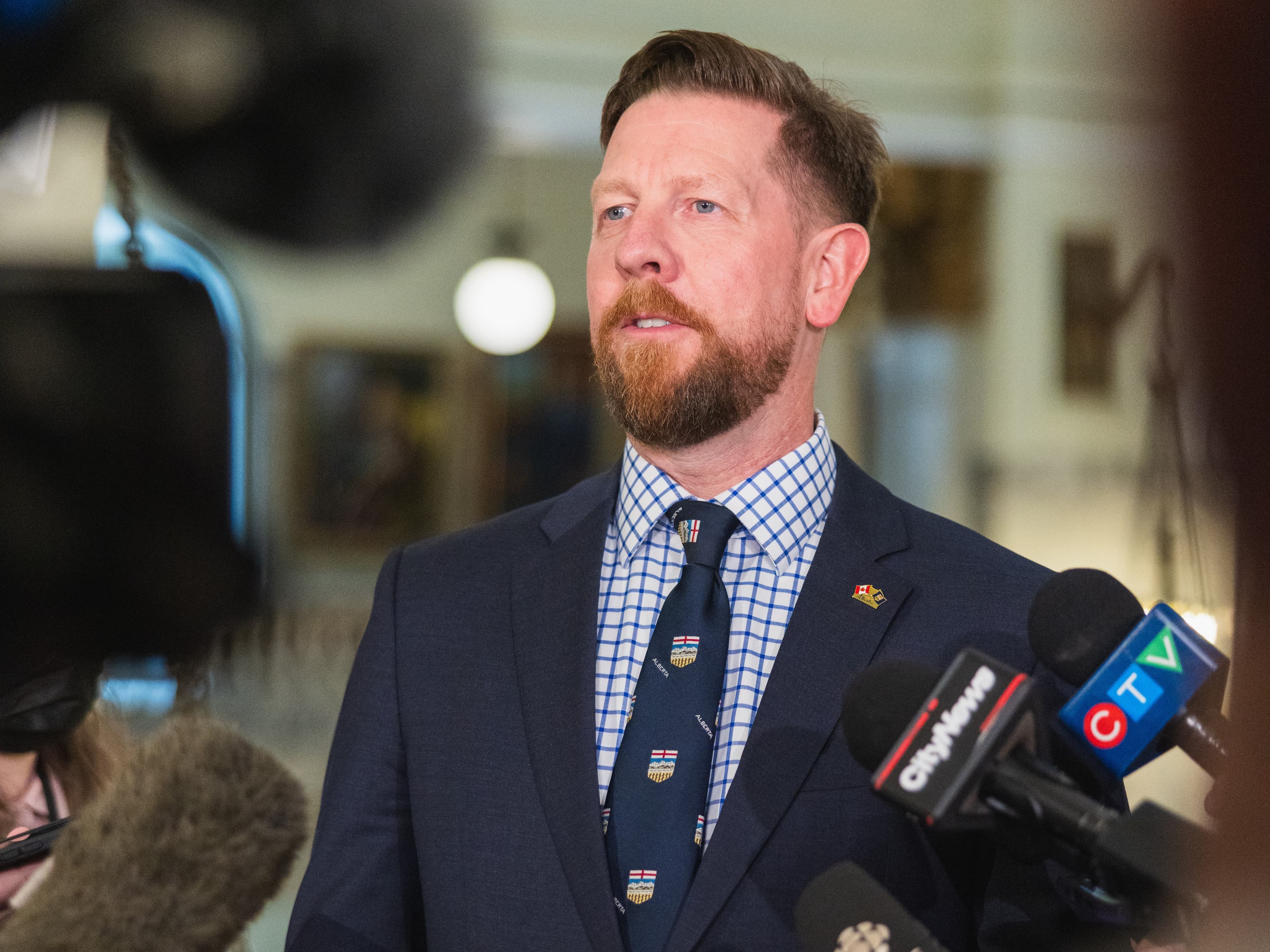
The UCP government is throwing out the recent Electoral Boundaries Commission’s maps and replacing them with a highly partisan process to re-draw the provincial electoral maps in their favour. They are disregarding our democratic safeguards and using the Legislature to rig the next election. This kind of political interference is commonly referred to as gerrymandering, where parties pick their voters, instead of voters picking their leaders.
This is not simply about where lines are drawn on a map. It is about trust. Trust in independent institutions, trust in the democratic process, and trust that citizens have a meaningful role in shaping the systems that govern them. Democracy doesn’t just happen on election day, it relies on a foundation of fairness, built years before any election.
Independent commissions exist for one fundamental reason: to shield decisions that affect democracy from partisan interference. In Alberta, the Electoral Boundaries Commission fulfilled that role exactly as intended. Over many months, commissioners travelled the province, held public hearings, reviewed written submissions, and listened directly to Albertans about what fair representation should look like in their communities.
People participated in good faith. They spoke about population changes, rural‑urban balance, shared community identity, and the importance of ensuring that every vote carries meaningful weight. Albertans took the time to show up because they believed their voices would help shape the final outcome.
The Commission did what it was mandated to do. It evaluated that input seriously and produced a final report grounded in evidence, consultation, and established democratic principles. No electoral map is ever perfect, but this one reflected the realities and concerns raised by the people who engaged in the process.
That is why the government’s decision to disregard the Commission’s report is so troubling. When a government invites public participation, receives thousands of submissions, and then discards the results without clear justification, it sends a stark message: consultation is conditional, and public voices carry weight only when they produce the outcomes the UCP wants.
When governments override independent processes, they weaken the very safeguards designed to prevent partisan manipulation. Boundary commissions are intentionally structured to be arm’s‑length, precisely because elected officials should not be drawing the boundaries that determine their own electoral fortunes. Ignoring the Commission’s work undermines that principle and risks eroding confidence in the fairness of future elections.
Albertans deserve better than performative consultation. They deserve a government that respects the input of citizens. They deserve transparency about why recommendations were rejected and what evidence, if any, supports the government’s alternative approach. Without that transparency, the decision looks less like governance and more like partisan self‑preservation.
The question now facing Albertans is simple: if a government will dismiss the voices of its own citizens on something as fundamental as electoral boundaries, what else will it ignore? Trust is built through actions. When those actions contradict the values of fairness and accountability, trust erodes quickly.
The Boundary Commission did its job. Albertans did theirs. The government chose not to listen. And that choice raises a deeper, more urgent question about the health of Alberta’s democracy: How do we trust a government that asks for our input, only to throw it away when it becomes inconvenient?
Our democracy depends on reasonable people making reasonable decisions in the interest of Albertans. It is time for action. Call and write the premier and every UCP MLA. Copy my office. Tell them to stop cheating, stop tilting the playing field, and stop rigging election maps.