April 9, 2026
Alberta Electoral Boundaries
Read More

July 16, 2026

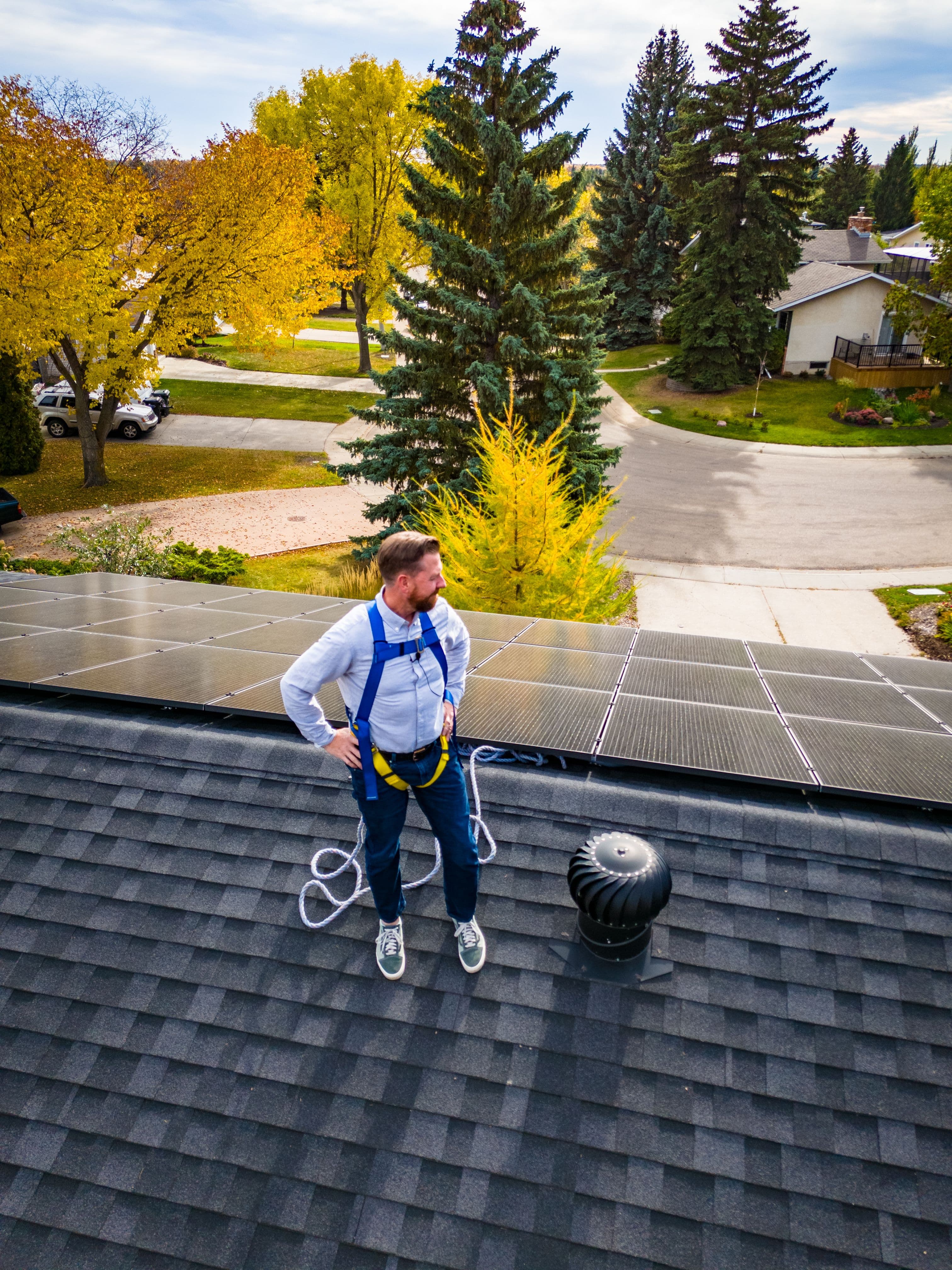
Two years ago, I wrote a column in the Sherwood Park News celebrating the growth of rooftop solar in Sherwood Park.
At the time, I talked about our community's growing number of micro-generators, the success of programs like the Solar Club, and the need to modernize Alberta's regulations so homeowners could install as many solar panels as possible while maintaining a reliable electrical grid.
Unfortunately, the conversation around solar energy in Alberta has changed.
When I drive around Sherwood Park today, I still see solar panels hard at work on rooftops throughout our community. Albertans continue to embrace solar because it lowers energy bills, gives families greater control over their energy costs, and has a compelling return on investment. But while interest in solar remains strong, the policy environment has become increasingly uncertain and frustrating.
In recent years, Alberta's renewable energy sector has faced a series of new regulatory hurdles. The provincial government's pause on renewable energy project approvals, new land-use restrictions, evolving project requirements, and now a planned $14-per-panel solar recycling fee have raised concerns throughout the industry.
To be clear, I support responsible recycling. Solar panels will eventually reach the end of their useful lives, and we should have a plan to deal with them. But many Albertans are asking reasonable questions about the UCP government's approach.
Why are we collecting recycling fees today when large-scale recycling infrastructure has not yet been built? What guarantees exist that panels will actually be recycled rather than stored indefinitely? Without a deposit-return mechanism, what incentive exists decades from now for panels to be returned to a recycling stream rather than ending up in a landfill?
These are legitimate questions that deserve answers.
The concern I hear most often from renewable industry leaders is about the cumulative effect of many policies arriving one after another. Every new fee, approval requirement, restriction, or layer of uncertainty increases the cost and complexity of investing in Alberta.
Solar developers, manufacturers, and investors have options. Capital can move across provincial borders. Companies can choose to build projects in Alberta, Saskatchewan, Ontario, British Columbia, or the United States. When governments create uncertainty, investors often choose jurisdictions where the rules are more predictable.
That should concern all of us.
For years, Alberta attracted renewable energy investment because of our abundant sunshine, entrepreneurial spirit, skilled workforce, and competitive electricity market. We became a national leader in renewable energy development because investors saw Alberta as a place where capital could be safely invested.
Advantages can be squandered if investors begin to view Alberta as a place where the next regulatory road block is always around the corner.
I remain both pro-grid and pro-solar.
I want a reliable electricity system that keeps the lights on for everyone. I also want Albertans to have the freedom to reduce their electricity bills, generate clean energy from their rooftops, and contribute surplus power to the grid.
The goal should be simple: make it easier *not harder* for Albertans to participate in our energy future.
Solar roofs in Sherwood Park are working hard. The question now is whether government policy is working just as hard to support them.
Related articles: